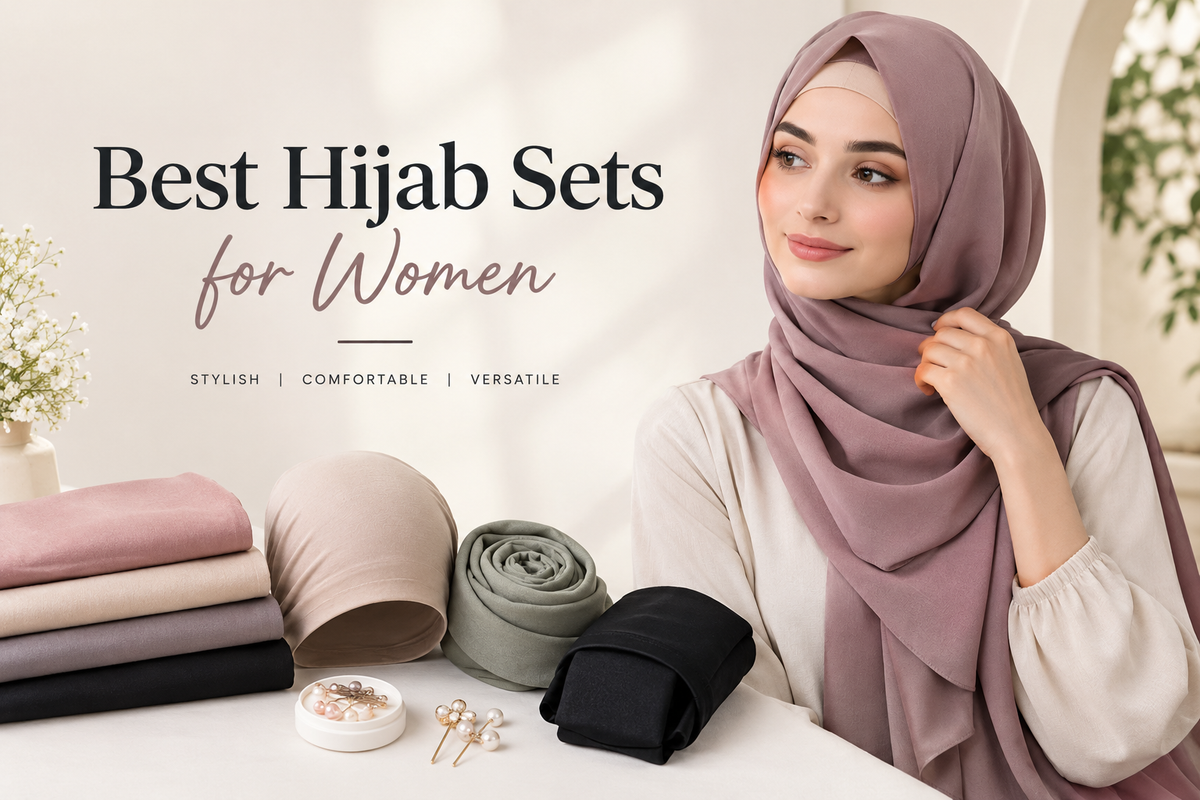
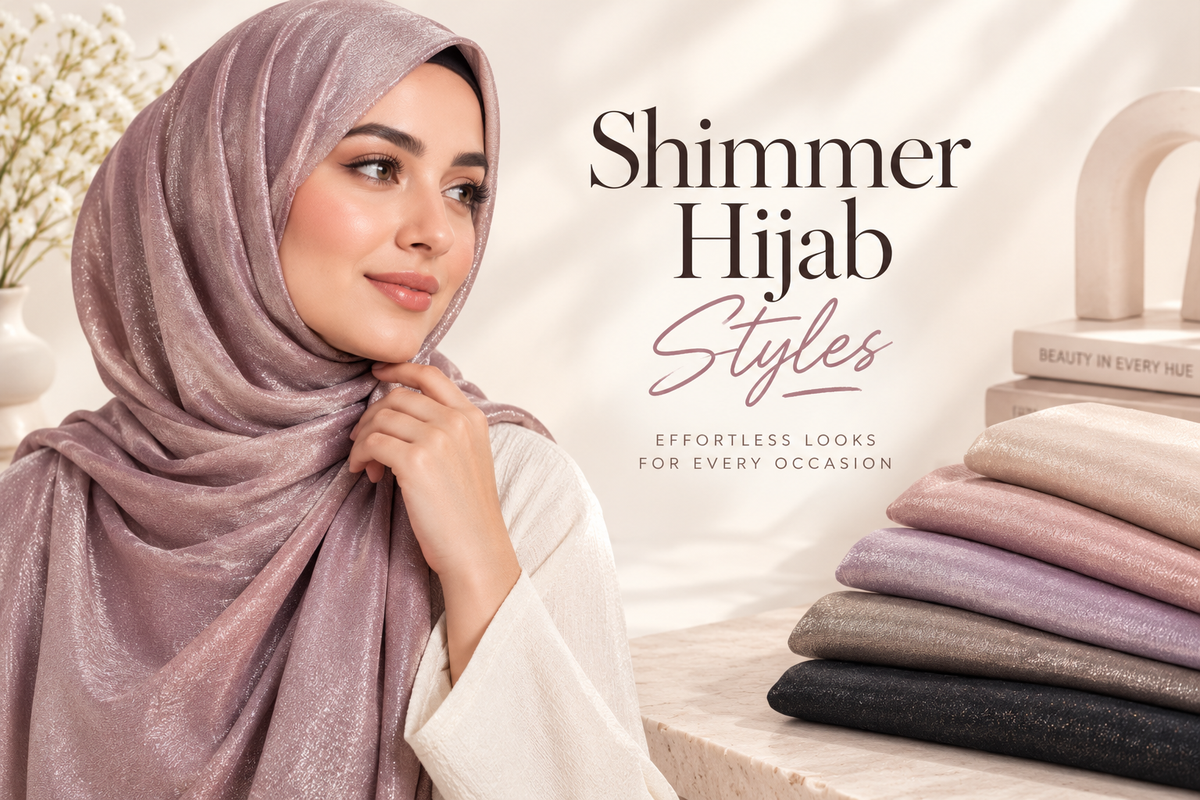
It is not always the quantity of hijabs but what colours they are chosen for. The first thing you need to do when you are going to create a real collection is select colours that you are going to use and wear. Instead, you can create some amazing outfit combinations by choosing the right hijab wardrobe essentials without resorting to buying new hijabs every time. There are different types of unique hijabs collection available in different colours and fabrics, which can give you ideas for creating a unique style of your own
Hijab Wardrobe Essentials: Start With the Right Colours
A good wardrobe doesn't need to be in every colour. Limit yourself to five or well-planned shades and you can cover a lot of basic “everyday” attire, yes, even workweek wear, and also some special occasions.
The best essential hijab colours will depend on your current garments. But a few shades will make a very practical start.
Black, Beige and Ivory: Your Everyday Foundation
Black: Well-planned coloured dresses, printed abayas and black outfits. Beige will neutralise dark colours and ivory will tone down pastels and earthy tones.
There is no confusion with neutral hijab colours as they blend in with different women's wear and don't need much styling for them. For those who do wear browns and olive green all the time, try using warmer brown and beige or cream colors, and if you wear blues and charcoal all the time, try cooler grey and ivory.
The key for Navy and Dusty Rose is to add color without contrasting.
Navy and Dusty Rose: Add Variety Without Clashing
A softer navy option to black, especially when paired with white, grey and denim. Dusty rose adds soft colour and would look great with the soft palette of cream, taupe, and muted green.
Either is fine, but not both. Choose colors that go with greater portions of your other garments.
Which Hijab Colours Work Best With Your Clothes?
It is easier to select the perfect scarf colour if you take a look at the colours you are already wearing. It is not always necessary to have the exact same hijab colour combinations. In some cases, adding a bit of contrast would give a more satisfactory look.
|
Outfit colour |
Hijab colours to consider |
|
Black |
Ivory, beige, dusty rose |
|
White or cream |
Navy, taupe, olive |
|
Brown |
Cream, camel, sage |
|
Navy blue |
Grey, ivory, dusty pink |
|
Pastels |
Soft grey, beige, ivory |
If you are using printed clothes, select a hijab that matches one of the less dominant colors in the print. This helps to coordinate without appearing too uniformed.
Also look for colours around your face in the natural light. What is toning with one's clothes is not necessarily a favorite tone on the skin.
Choose Hijab Fabrics That Suit Your Routine
While colour is important, it's fabric that is key to how often you'll be turning to a scarf.
A soft jersey or modal hijab is probably suitable for long days at work, commuting or going to the university. Those types of comfortable hijab fabrics usually have a loose drape but comfort will also rely on the thickness, fit and temperature.
For people who are seeking a simple and streamlined style, a classic chiffon hijab is the perfect choice. But chiffon can get slippery, and an underscarf or fasteners are required to wear chiffon.
When choosing hijabs for everyday outfits, look at how they will look after being washed (as some need to be ironed, etc.) and how comfortable they'll be in a person's outfit.
Build Your Collection Without Unnecessary Purchases
Prior to purchasing another scarf, go over what you wear most regularly. Without the need for repetitive purchases of similar colors, you can practice spotting an absence of colors in this quick and easy exercise.
Follow these steps first:
-
Pick 2 or 3 neutral colours that match your everyday wardrobe.
-
Add one soft colour, dusty rose or sage.
-
Choose one more deeply toned colour for contrast.
-
Have one fancy Hijab for special functions.
-
Ensure at least three outfits are compatible with each new scarf.
Do NOT purchase multiple almost identical beige or grey hijabs unless for different functions. Furthermore, do not place complete faith in product images as the lighting and screen settings could alter the appearance of colours.
Final Thoughts: Make Every Hijab Count
Creating a versatile hijab wardrobe essential isn't about filling your closet with endless colors; it's about getting the right mix of items to create adaptive pieces. Use solid colors that you will feel comfortable with, add hues for coordination with your garments, and choose durable textiles that work with your lifestyle. After you have your regular collection, an elegant shimmer hijab for special occasions might be perfect. The aim is easy: less stress over difficult outfits & more hijabs that you'll really want to wear.
Frequently Asked Questions
Which hijab colours are essential for every wardrobe?
Some good initial colours to start with are black, beige, ivory, navy and dusty rose. However, the choice depends upon the fashion colors and style you choose for your clothes.
What neutral hijab colours match most outfits?
Black, taupe, beige, grey and ivory are a neutral set of colors that coordinate with many everyday outfits. Yellows and browns are good choices for warm neutrals, and cool neutrals would complement blue and gray-colored outfits.
How many hijabs do you need for a versatile wardrobe?
Can choose five to seven purposefully picked up hijabs that can offer a sensible beginning set. If you wear clothing made of a different material when you go to work, exercise or go to special events, you may need more.
How do you choose hijab colours that complement your clothes?
Look at the most common colors of your clothes and pick hijab colors that match or add some subtle contrast. Go for colours that you'll need to wear again and again.