There are two types of hijab outfits: those which come in a fixed style and have never left the drawer and some prints which are only a handful and always bought again. The one printed vs solid hijabs question is actually in relation to balance: does a hijab look well and look calmer, or does it look more congested because you find an outfit is certainly crowded?
A practical guide to selecting, using a simple checklist, a handy table for quick reference and some tips to avoid common errors. If you are working around a comfortable hijab that you will reach for daily, it's here you start.
How Printed vs Solid Hijabs Change an Outfit
If the hijab is in place, it is like a frame. It helps to focus attention on the face and allows clothing to speak for you. The print is like a feature; it draws the eye upwards and is the centre of the overall print. Which part of the outfit should be the hero; not which hijab you like more. There are always two heroes for a competition and one hero with quieter supporting characters looks like it was on purpose.
Scale is important, as is size. Use large motifs that are obviously expressive from a distance and use small, repeated motifs that could be interpreted as texture.
When Solid Colour Hijabs Work Best
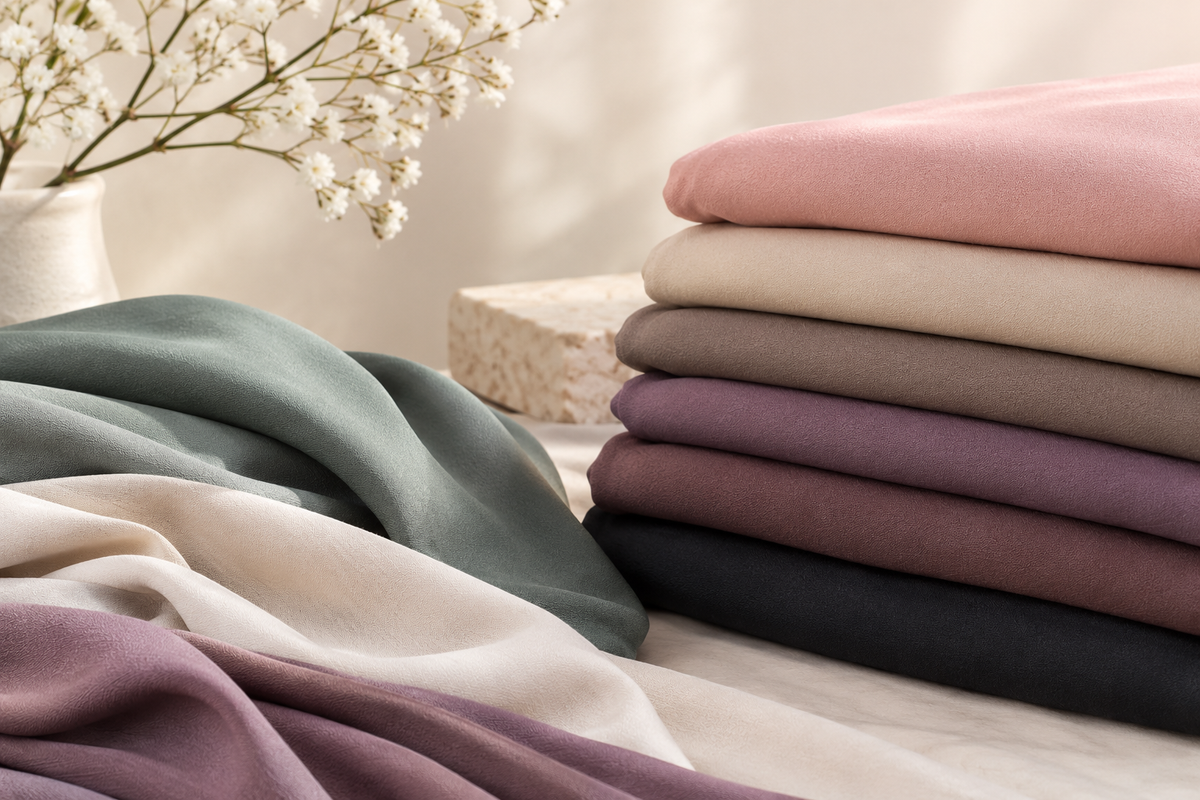
So you will always be better off with solid-colour hijabs when you wear an outfit that has pattern, embellishment or strong colour blocking. Solid-colour hijabs are also great when you need a look like at formal events in offices, or during interviews. To use plain hijab styling ideas on busy outfits, it is advisable to use a tonal match, one or two shades off the main colour, or a calm neutral tone to finish the main outfit. The downside is that if you hold it up in the daylight and find that it is too close to your skin tone or too bright, you may become washed out if it is colored flat near the face. Dark solids will also become visible with lint more quickly.
When Printed Hijabs Earn Their Place
Printed hijab styles look great on simple attire. A neutral abaya, a solid knit or a monochrome dress allows the print to take precedence. Select a color that has at least one match with the other colors in your clothing to create a connection between both pieces. Fabric affects the way that a print reads; stiffer fabrics will keep a print crisp and lightweight prints will soften a print in the folds.
Prints have less tendency to show small marks/creases compared to solids that assists when running a busy day. The downside is a bold print is more memorable, so you might think you can't get away with wearing it as frequently.
Mixing Patterns Without the Clash
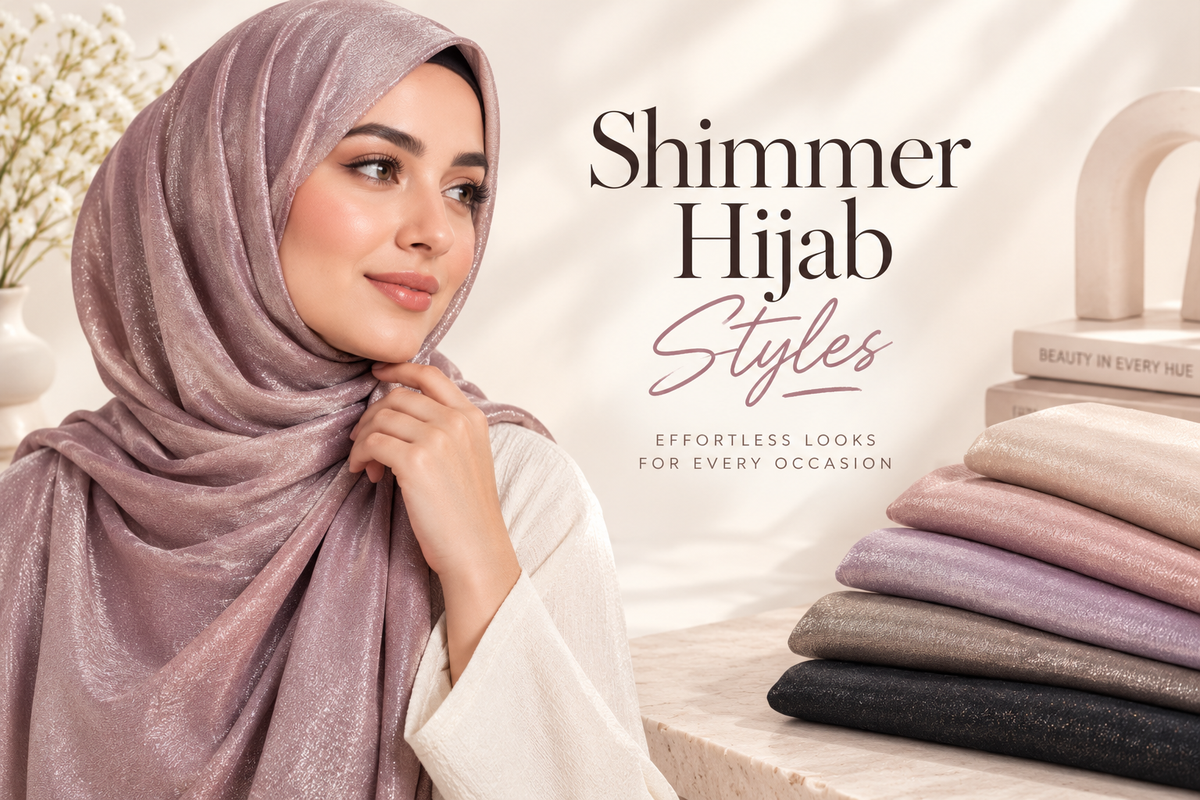
Print on print can be successful, but there are 3 habits that must be in place. Maintain a color family for both pieces, use different sizing (one big, one small) and apply a solid base like a knit tee or a basic inner layer. When the size and details of both prints are similar and compete, patterned hijab outfits make a genuine mess. As for texture, it's the same principle: A shimmer hijab reflects light and works like a pattern, so try to seek to wear it as the star of the outfit with simple pieces.
Quick Comparison by Situation
|
Situation |
Better pick |
Why |
|
Patterned top or dress |
Solid |
Keeps one focal point |
|
Plain or neutral outfit |
|
Adds interest without extra pieces |
|
Interview or formal setting |
Solid |
Polished and understated |
|
Mixing two prints |
Print plus solid anchor |
Same colour family, different scale |
|
Small capsule wardrobe |
Mostly solids, one or two prints |
More outfit combinations |
A Simple Method for Choosing
-
Choose a hero - be it the outfit or the hijab!
-
If the hijab is the hero, then go with the print itself and make the color scheme solid.
-
If the outfit is the hero, select a solid color from the hero or neutral.
-
Pairing should be done at arm's length, in natural light. If you are looking on the internet, any item listed, even a named specialty like an azalea hijab, should be treated as you would a screen colour until you see it in daylight photos or in person.
Be aware of these common errors:
-
When the outfit matches so precisely with the print, which can happen by accident.
-
Don't forget that light colours can reveal the undercap colour.
-
Failure to measure a print before purchase.
-
Evaluating products by appearance in a picture image.
Final Statement
Printed vs solid hijabs isn't a competition, since they each serve a distinct purpose. For flexibility and framing, use solids; dress in patterns if the outfit has ample space; try combining each garment in light. To give you a quick feel for some of these combinations, a one piece hijab is a practical choice to start with, leaving out the hassle of creating your own from scratch.
Printed vs Solid Hijabs FAQs
Are printed hijabs harder to style than solid hijabs?
Slightly, because a print requires a quiet partner. They are easy when you follow the one-hero rule.
When should you wear a solid-colour hijab?
Wear solids with patterned or embellished clothes, formal or work settings or anytime you want a face-forward appearance.
How do you match a printed hijab with an outfit?
Take one shade from the print and settle for a solid print for the rest of the outfit, noting the size of any other printed elements
Which hijab style is more versatile for everyday wear?
Solids, as they match with nearly all. A neutral color might come close, but won't be as muted as a neutral print.